
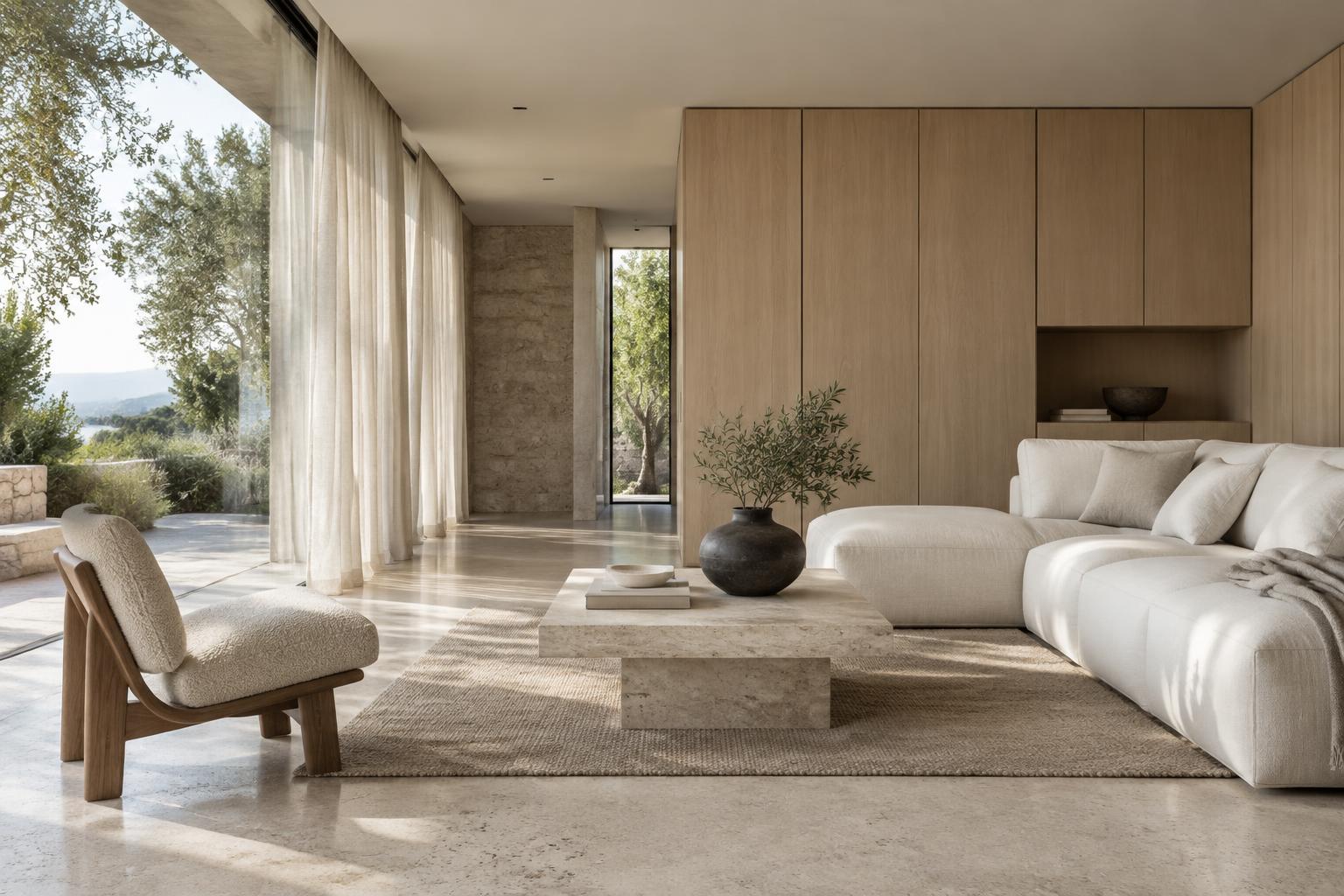
Images are conceptual design visualisations of materiality, not photographs of Earendel projects.
Texture is one of the most understated yet influential elements of interior design. Beyond colour, proportion and form, it introduces a sensory dimension that shapes how a space is perceived, experienced and remembered.
The natural grain of timber, the softness of linen, the quiet elegance of honed stone — each material contributes to an interior's distinctive character. When thoughtfully composed, these elements create depth, warmth and a sense of balance that extends beyond visual aesthetics.
At Earendel Designs, we approach texture as an integral part of the architectural and interior design process. Through carefully considered material selections and refined contrasts, we create spaces that feel cohesive, enduring and inherently personal.
Understanding Texture in Interior Design
Texture refers to the visual and tactile qualities of a surface. It influences the way light interacts with materials, how individual elements relate to one another and the atmosphere they collectively establish.
In interior design, texture can be understood through two primary dimensions.
Tactile texture describes the physical characteristics of a material — the smoothness of polished marble, the softness of upholstery or the distinctive grain of natural timber.
Visual texture refers to the appearance of a surface, whether experienced through its natural composition, pattern, finish or the way it reflects and absorbs light.
Both are essential to creating interiors with depth and individuality. A carefully balanced combination of smooth and textured finishes introduces subtle variation, allowing a space to remain visually engaging without becoming overwhelming.
The Art of Layering Materials
A refined interior rarely relies on a single material or finish. Instead, its character emerges through the thoughtful layering of complementary textures.
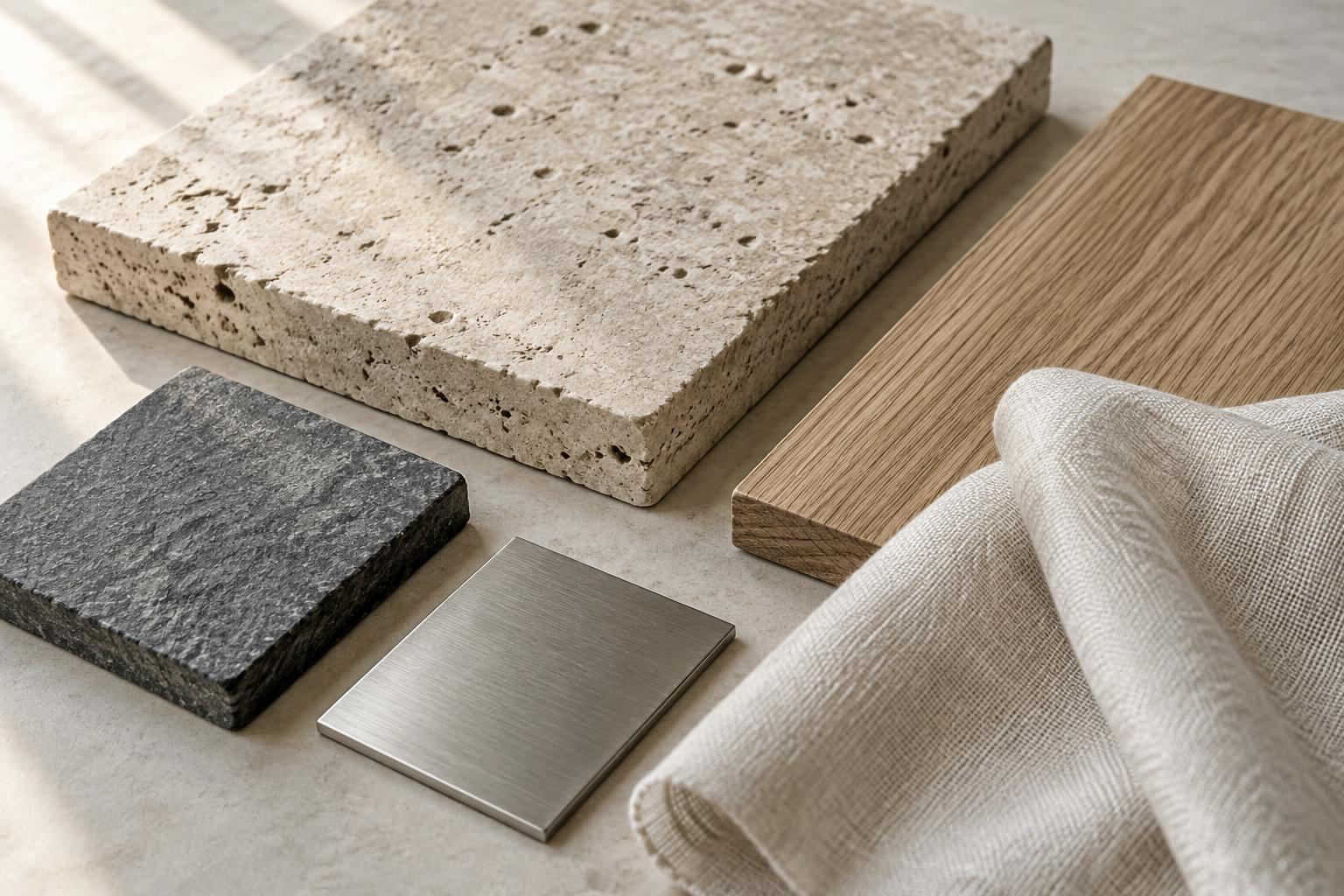
Natural stone may establish a sense of permanence, while timber introduces warmth and understated organic detail. Soft textiles balance harder architectural surfaces, creating an environment that feels both composed and welcoming.
The relationship between these elements is particularly important in luxury residential interiors, where the objective is not simply to create visual impact, but to establish an atmosphere of comfort and quiet sophistication.
Consider the interplay of a honed travertine floor, brushed oak cabinetry and a generously upholstered linen sofa. Individually, each material possesses its own character. Together, they form a harmonious composition defined by subtle contrasts.
The most successful interiors allow materials to complement rather than compete with one another.
Natural Materials and Timeless Design
Natural materials hold a distinctive place in contemporary luxury interior design. Their inherent variations, organic patterns and tactile characteristics introduce authenticity that manufactured finishes often seek to replicate.
Stone, timber, linen, leather and other natural elements bring a sense of permanence and connection to the surrounding environment.
Their appeal lies not only in their aesthetic qualities, but also in their individuality. No two pieces of natural stone are precisely alike, and the grain of timber introduces a unique expression to every surface.
At Earendel, material selection is guided by a commitment to longevity, craftsmanship and architectural coherence. We consider how each finish will complement the wider design, respond to its intended use and evolve over time.
Rather than following temporary trends, we favour materials that maintain their relevance through understated beauty and enduring quality.
Creating Balance Through Contrast
Contrast is fundamental to the effective use of texture in interior design.
The combination of smooth and irregular, soft and structured, or matte and reflective surfaces creates visual interest while maintaining a sense of harmony.
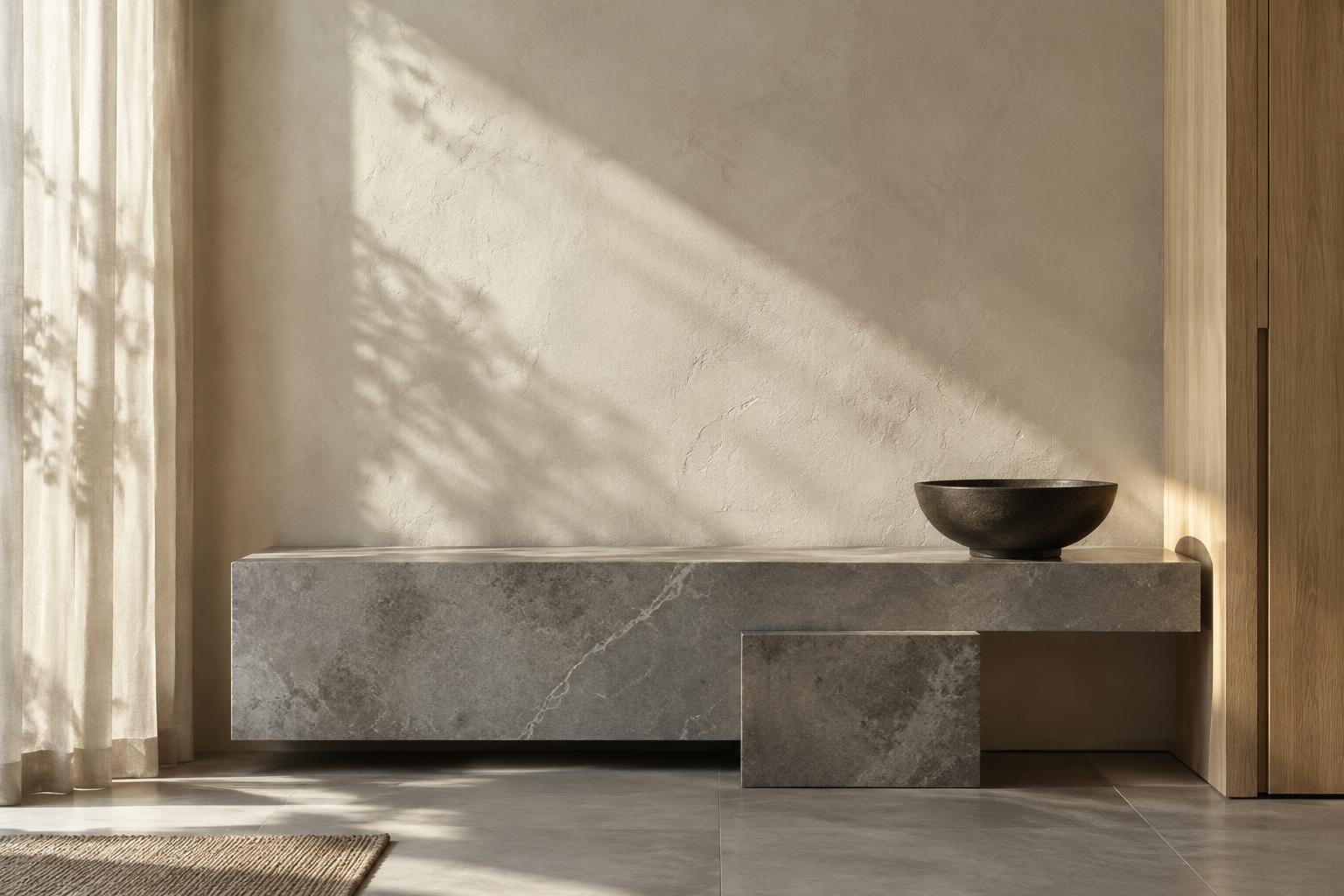
A sculptural marble table placed alongside softly upholstered seating, for example, establishes a dialogue between solidity and comfort. Similarly, textured wall finishes can provide a subtle architectural backdrop to clean-lined furniture and carefully selected decorative objects.
The key lies in restraint.
Too many competing textures may disrupt the visual continuity of a space, while an absence of variation can leave an interior feeling impersonal or incomplete.
By establishing a considered material palette, each texture is given the opportunity to contribute meaningfully to the overall design.
The Relationship Between Texture and Light
Light plays an essential role in revealing the character of a material.
A textured plaster wall responds differently to natural daylight than a polished stone surface. Brushed metals diffuse reflections, while smooth lacquered finishes produce a more pronounced interaction with surrounding light.
Throughout the day, changes in natural illumination can subtly transform the appearance of an interior, bringing different textures, patterns and architectural details into focus.
This relationship is particularly relevant in Dubai's residential architecture, where generous glazing and abundant natural light often define the interior experience.
Thoughtful material selection considers not only how a surface appears in isolation, but how it responds to changing light conditions and complements the wider architectural environment.
Through this approach, texture becomes an active part of the spatial experience.
Texture as an Expression of Personal Identity
While texture contributes to the visual composition of an interior, its significance extends to the emotional qualities of a space.
A home should reflect the people who inhabit it — their preferences, routines and individual understanding of comfort.
Soft furnishings, natural finishes and carefully selected materials can establish an atmosphere of warmth and familiarity. More structured surfaces and restrained material combinations may communicate a sense of clarity, elegance and architectural precision.
There is no universal formula for achieving the right balance.
Every project requires an individual approach, informed by the architecture, the intended function of each space and the lifestyle of its occupants.
For Earendel, the objective is to create interiors that feel natural to those who experience them, where the choice of materials is as purposeful as the arrangement of the space itself.
A Considered Approach to Materiality
The role of texture in interior design extends far beyond decoration. It is fundamental to establishing atmosphere, creating visual depth and giving an interior its lasting identity.
Through carefully layered materials, balanced contrasts and a sensitive understanding of light, even the most restrained spaces can achieve remarkable richness and character.
At Earendel Designs, we believe that exceptional interiors are defined as much by what can be felt as by what can be seen.
Our approach combines architectural understanding, thoughtful materiality and an appreciation for craftsmanship to create spaces of enduring beauty — considered in every detail.
Discover Earendel Designs
Explore our approach to luxury residential interiors, bespoke material selections and thoughtfully crafted spaces in Dubai.