

Images are conceptual design visualisations of materials and craftsmanship, not photographs of Earendel projects.
Sustainability and sophisticated interior design are not opposing principles. When approached thoughtfully, they complement one another, creating spaces that are as enduring in their character as they are considered in their environmental impact.
Beyond the selection of environmentally conscious materials, sustainable interior design is about making informed decisions — choosing quality over excess, longevity over temporary trends and thoughtful craftsmanship over unnecessary consumption.
At Earendel Designs, we believe that responsible design begins with intention. By considering the lifecycle of materials, the efficiency of a space and the lasting relevance of its aesthetic, we seek to create interiors that balance visual refinement with environmental responsibility.
The result is an approach where sustainability becomes an integral part of good design rather than a separate consideration.
Understanding Sustainable Interior Design
Sustainable interior design considers the environmental impact of the materials, products and processes involved in creating an interior.
Its principles extend beyond the use of recycled materials or energy-efficient appliances. They encompass durability, responsible sourcing, efficient use of resources and the adaptability of spaces over time.
A thoughtfully designed interior should not require constant replacement or renovation to remain relevant.
Instead, it should respond to the needs of its occupants through practical planning, lasting materials and an aesthetic that transcends short-lived trends.
This philosophy is especially relevant in luxury residential design, where attention to detail, material quality and architectural coherence are fundamental.
By introducing sustainability into the earliest stages of the design process, environmental considerations can become part of the overall architectural vision rather than an afterthought.
The Value of Natural and Responsibly Sourced Materials
Material selection is among the most significant considerations in sustainable interior design.
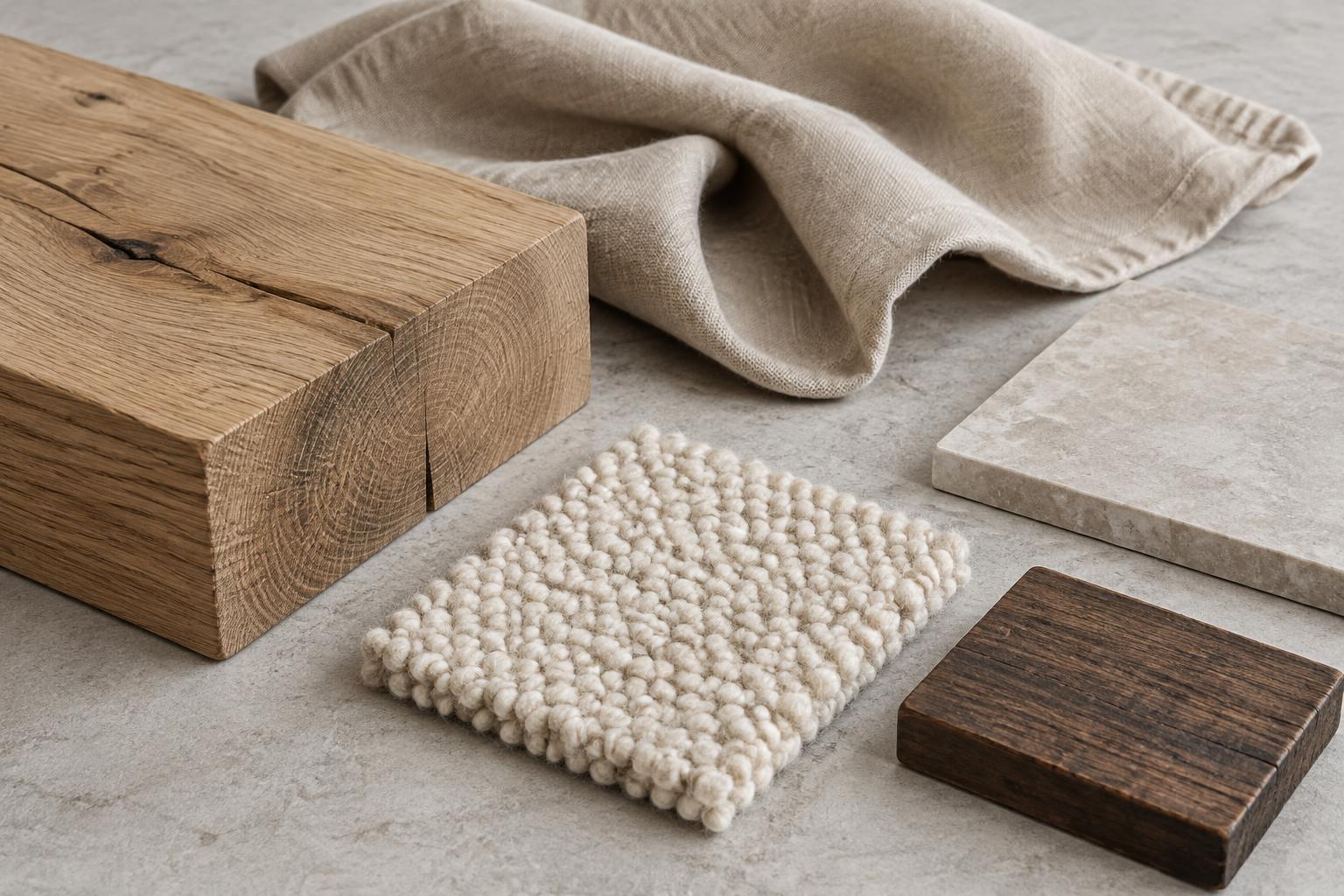
Natural materials such as timber, stone, linen and wool are often valued for their authenticity, tactile qualities and timeless appearance. However, their environmental performance depends on factors including sourcing, production, transportation, maintenance and lifespan.
Responsible selection therefore requires a deeper understanding of where materials originate and how they are manufactured.
Timber sourced from responsibly managed forests, reclaimed wood and products containing recycled content can offer alternatives to conventional materials, depending on their application and supply chain.
Similarly, durable finishes that require minimal replacement can contribute to a more considered approach to resource consumption.
At Earendel, we value materials that combine aesthetic quality with practical longevity. Their selection is informed not only by appearance, but also by suitability, maintenance requirements and the character they bring to a space.
When thoughtfully integrated, these materials establish an interior language defined by authenticity, warmth and understated sophistication.
Timeless Design as a Form of Sustainability
One of the most meaningful contributions interior design can make to sustainability is the creation of spaces that remain relevant over time.
An interior designed around temporary trends may require frequent updates, resulting in additional material consumption and unnecessary waste.
By contrast, timeless design prioritises balanced proportions, enduring materials and a coherent architectural identity.
This does not imply an absence of creativity or individuality. Rather, it encourages a more deliberate approach to design, where every element serves a purpose and contributes to the long-term character of the space.
Neutral foundations, natural textures and refined architectural detailing can provide flexibility as furnishings, artwork and personal preferences evolve.
At Earendel, we believe longevity is a defining characteristic of luxury. An exceptional interior should retain its relevance not simply because of the materials selected, but because of the thought invested in its design.
Energy Efficiency Through Considered Design
Energy efficiency is an essential component of a responsible interior environment.
Lighting, climate control, window treatments and appliance selection all influence a building's operational energy requirements.
In Dubai, where cooling represents a significant consideration for residential and commercial properties, these decisions are particularly important.
Thoughtful interior design can support efficiency through carefully selected window coverings, appropriate lighting systems and intelligent integration of building controls.
LED lighting, for example, generally consumes less electricity and offers a longer service life than conventional incandescent alternatives.
Automated lighting and climate-control systems may further support efficiency by responding to occupancy patterns, daylight availability and actual usage requirements.
These solutions should be considered alongside the building's existing systems and architectural characteristics to ensure effective integration.
A considered approach allows performance and aesthetics to work together, supporting everyday comfort without compromising the visual integrity of the interior.
Reducing Waste Through Thoughtful Planning
Sustainable design begins long before materials arrive on site.
Careful space planning, accurate specifications and coordinated design documentation can help reduce unnecessary purchases, installation errors and material waste.
A clearly defined design direction also minimises the likelihood of substantial changes during implementation.
Where appropriate, retaining existing architectural features, restoring quality furniture or incorporating reclaimed elements can reduce demand for newly manufactured products.
Bespoke furniture and joinery may also support efficient use of space when designed with suitable dimensions, durable construction and opportunities for future repair.
The objective is not necessarily to use fewer materials at every opportunity, but to ensure that each selection is purposeful, appropriate and considered within the wider project.
At Earendel, we regard thoughtful planning as an essential expression of responsible design — creating clarity before construction and reducing unnecessary complexity throughout the process.
Creating Healthier Interior Environments
The quality of an interior environment extends beyond its visual appearance.
Air quality, ventilation, lighting and material emissions can influence comfort and the everyday experience of a space.
Certain paints, adhesives, sealants and manufactured furnishings may release volatile organic compounds, commonly referred to as VOCs, into the indoor environment.
Where practical, specifying products with verified low-emission performance can help reduce sources of indoor air pollutants.
Adequate ventilation, humidity management and appropriate maintenance of air-conditioning systems are also important considerations, particularly in warm and humid climates.
Natural daylight and carefully planned artificial lighting further contribute to creating interiors that are comfortable and suited to their intended functions.
For Earendel, a successful interior should feel as considered in its everyday experience as it appears in its architectural composition.
The Relationship Between Sustainability and Luxury
Contemporary luxury is increasingly associated with thoughtful choices, quality craftsmanship and lasting value.
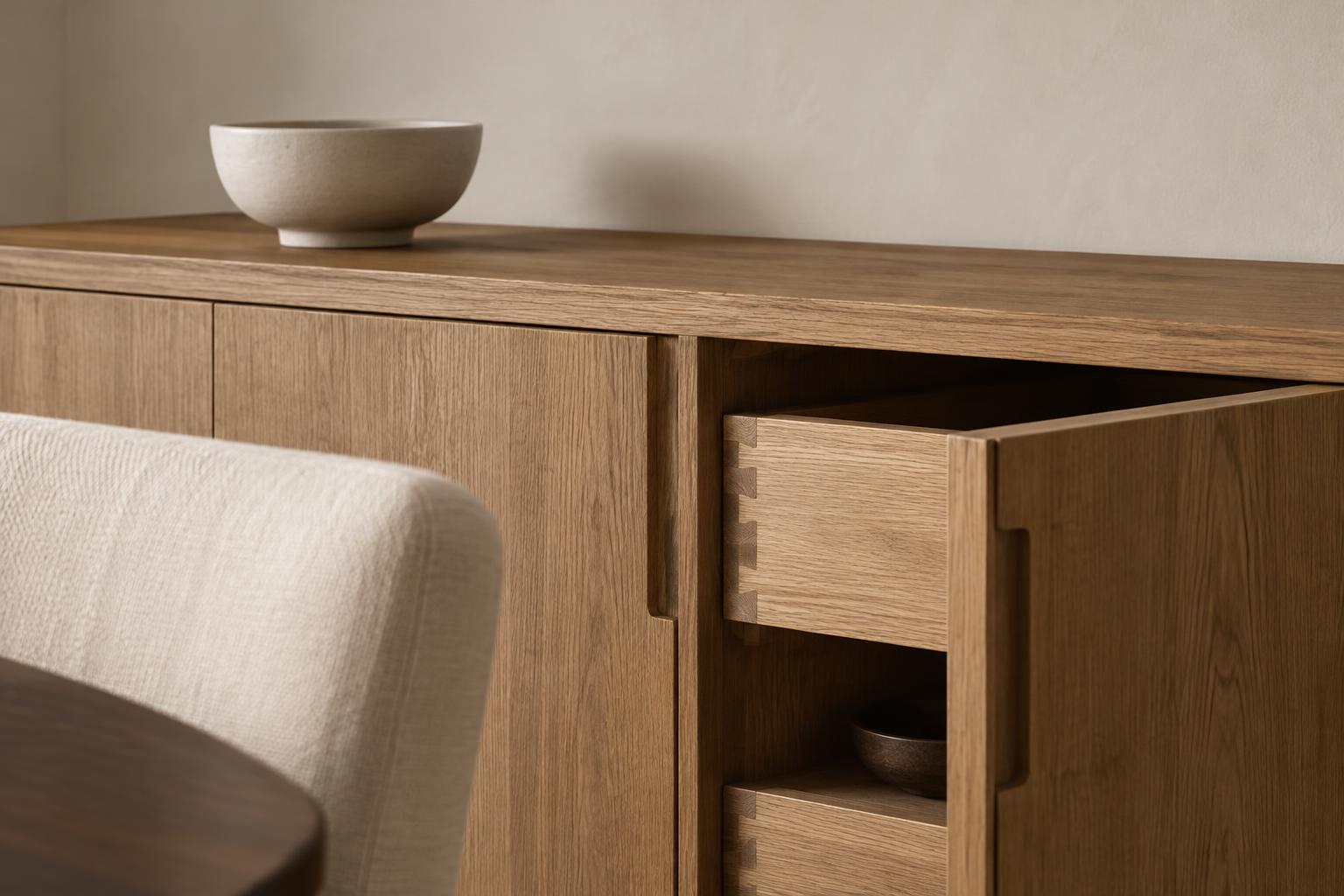
Rather than being defined solely by exclusivity or visual impact, a refined interior can express luxury through its material integrity, meticulous detailing and sense of permanence.
A beautifully crafted timber cabinet, a carefully selected natural stone finish or an expertly upholstered piece of furniture carries value beyond its immediate appearance.
When designed and maintained appropriately, such elements can remain part of an interior for many years.
Sustainability reinforces this philosophy by encouraging greater consideration of how products are sourced, manufactured, used and eventually replaced.
The result is a more meaningful interpretation of luxury — one that values restraint, authenticity and lasting quality.
Designing for Dubai's Environment
Sustainable interior design in Dubai requires particular consideration of the region's climate, architectural characteristics and patterns of building use.
High temperatures, strong solar exposure and significant cooling requirements can influence material performance and interior comfort.
Appropriate window treatments, carefully selected finishes and efficient lighting systems can contribute to interiors that respond more effectively to these conditions.
Durability is equally important.
Materials should be selected with consideration for temperature variation, humidity, maintenance and their suitability for the intended environment.
For luxury villas and residences, these practical requirements must be balanced with the architectural vision and the individual lifestyle of each client.
Through this integrated approach, interior design can support both environmental awareness and a refined residential experience.
A More Considered Future for Interior Design
Sustainable interior design is not defined by a particular aesthetic, material or trend.
It is a philosophy grounded in thoughtful decisions, responsible resource use and a commitment to creating spaces that retain their value over time.
From durable material selection and energy-conscious solutions to careful planning and adaptable design, each decision presents an opportunity to create a more considered interior.
At Earendel Designs, we believe that lasting beauty emerges from the relationship between purpose, materiality and craftsmanship.
Our approach seeks to balance environmental responsibility with architectural refinement, creating interiors that are personal, functional and enduring.
Discover Earendel Designs
Explore our approach to luxury residential design in Dubai, where thoughtful material selection, timeless aesthetics and considered craftsmanship come together to create spaces of lasting significance.