
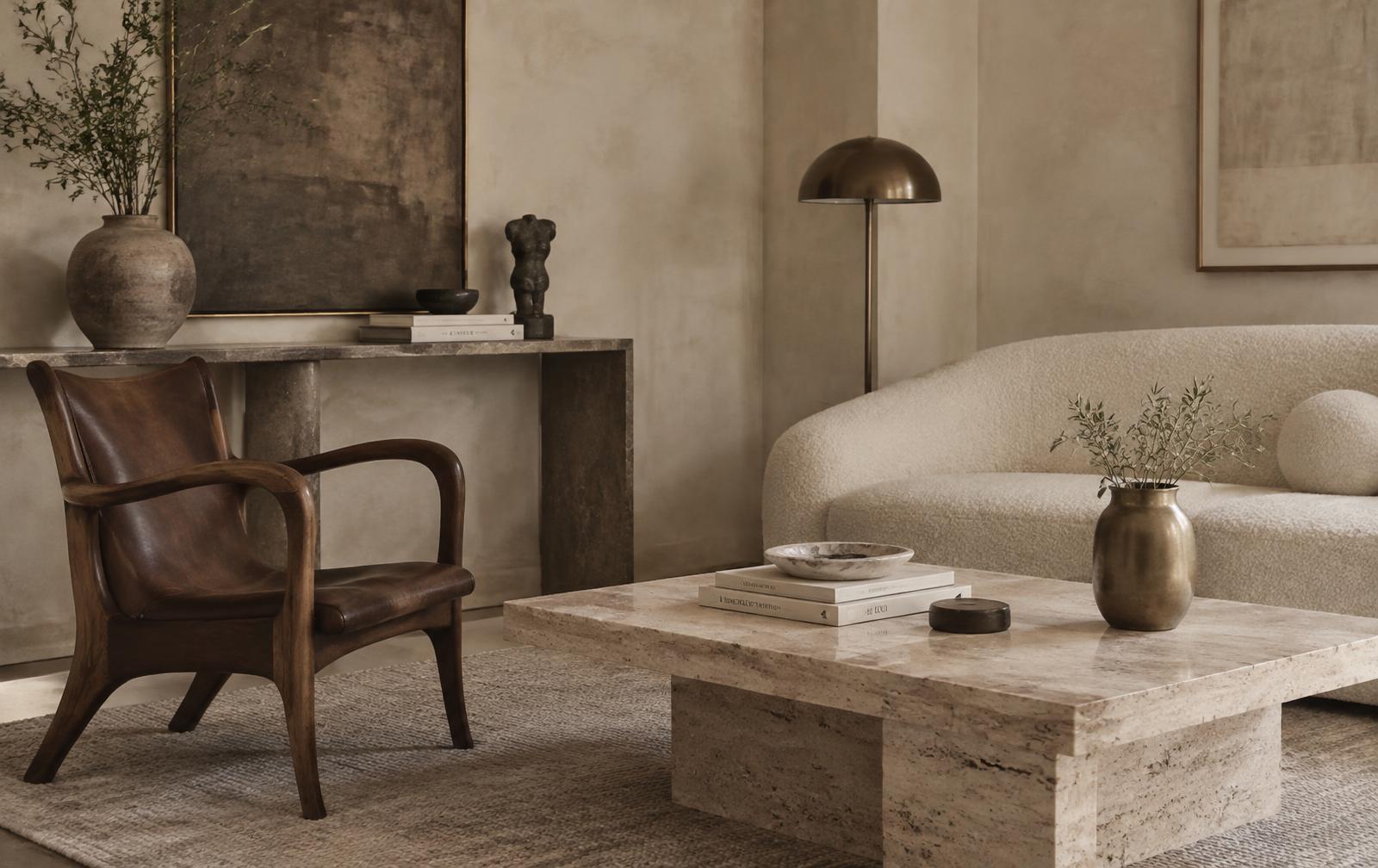
The most compelling interiors are often those that transcend a single period or design movement. They bring together elements of the past and present, creating spaces that feel collected, personal and enduring.
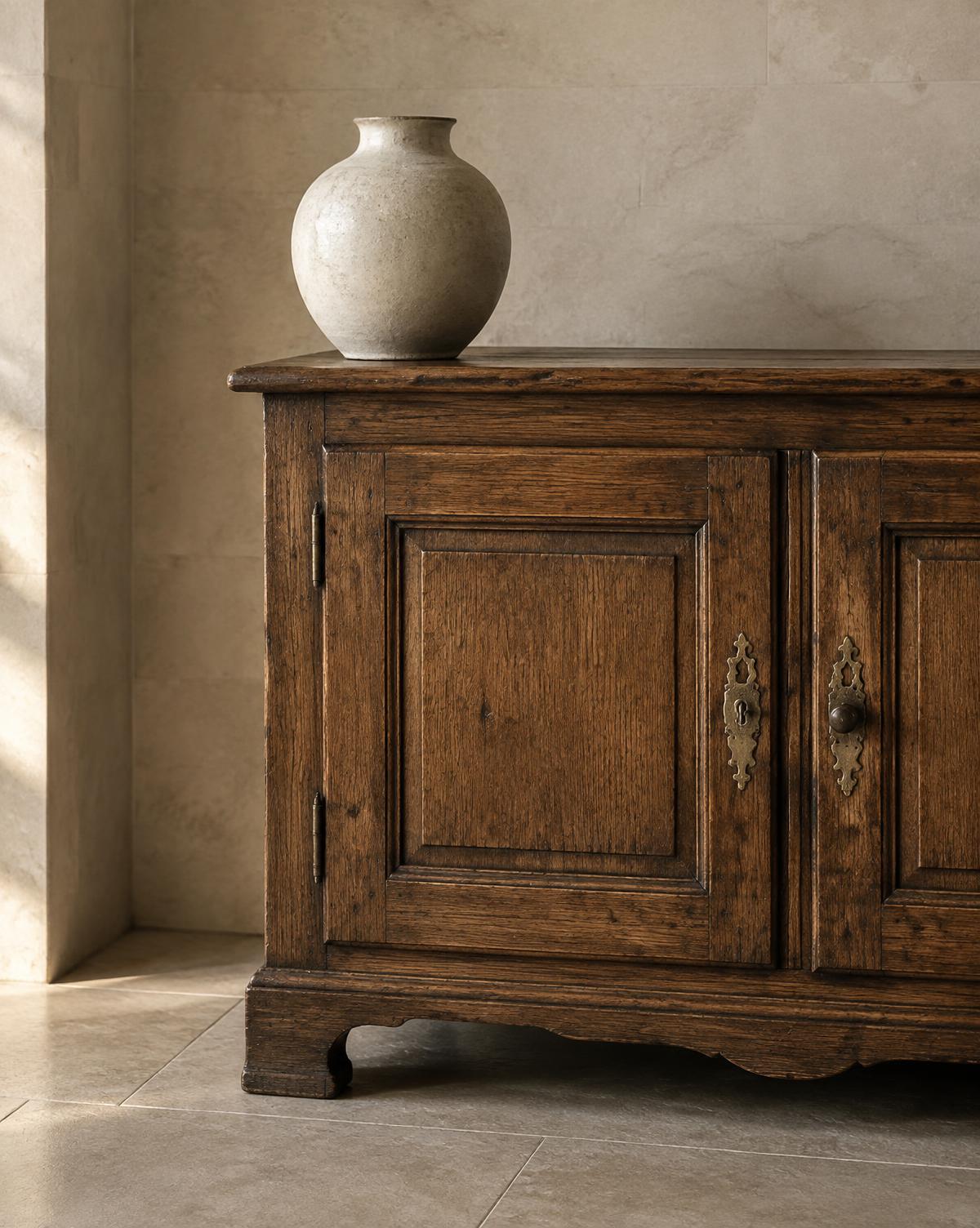
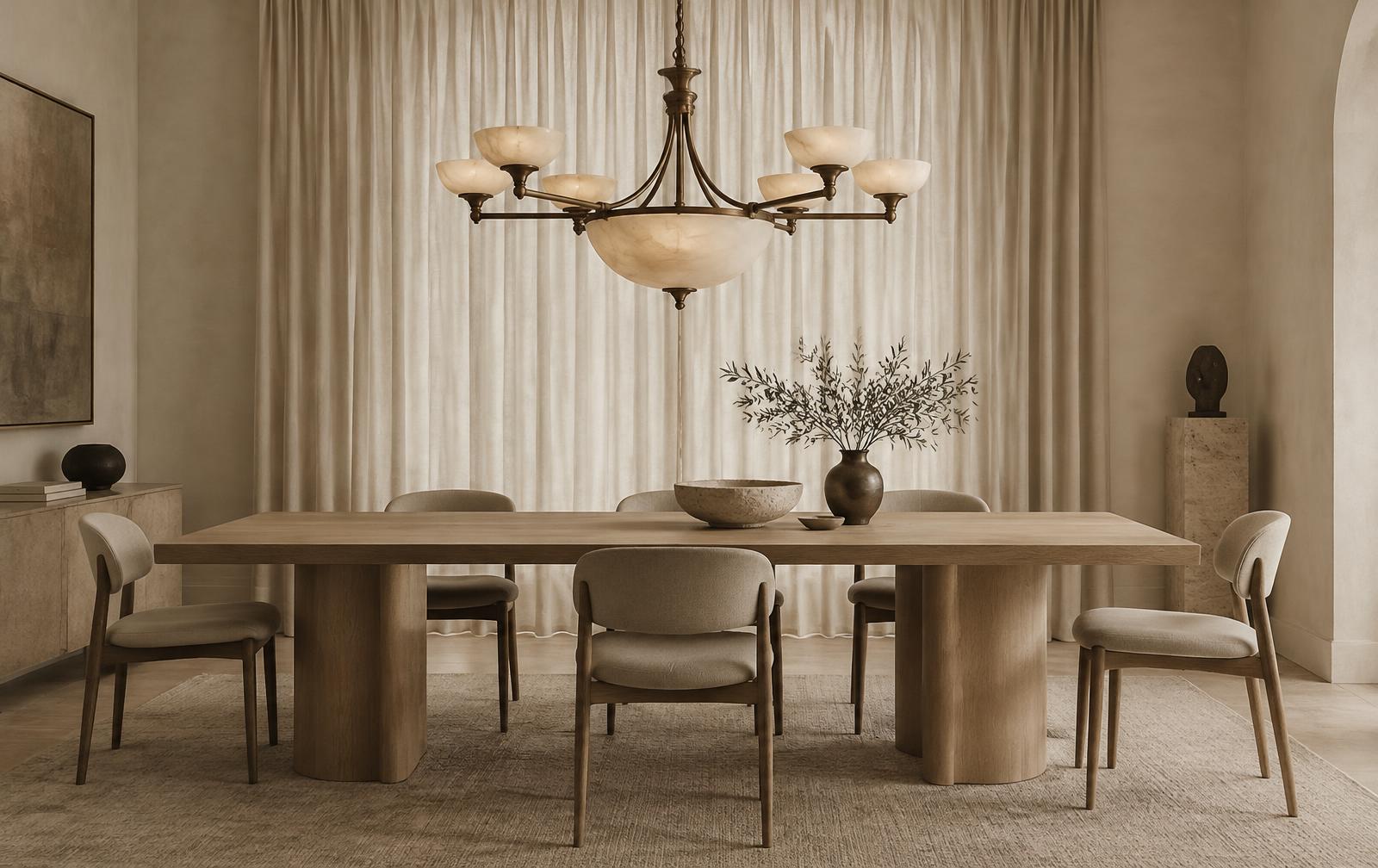
The relationship between vintage and modern interior design is particularly expressive. A sculptural antique chair placed within a contemporary living room, a heritage chandelier suspended above a minimalist dining table, or a carefully restored cabinet set against natural stone can introduce a sense of history without compromising architectural clarity.
When approached thoughtfully, combining different design periods creates a dialogue between craftsmanship, materiality and contemporary living.
At Earendel Designs, we believe that exceptional interiors are shaped by intention rather than adherence to a particular style. Through considered proportions, refined material selections and carefully curated furnishings, historical influences can become an integral part of a distinctly contemporary environment.
Understanding Vintage and Modern Interior Design
Vintage and modern interior design brings together furnishings, architectural details and decorative objects from different periods to create a cohesive interior.
While contemporary design often emphasises simplicity, functionality and architectural restraint, vintage pieces introduce individuality through their craftsmanship, history and distinctive forms.
These qualities are not inherently contradictory.
A clean-lined contemporary interior can provide an elegant setting for an antique object, allowing its form and character to become more pronounced.
Similarly, modern furnishings can introduce clarity and balance within a space containing traditional architectural features.
The objective is not to recreate a historical interior or assemble a collection of unrelated objects. Instead, it is to establish a carefully considered relationship between different periods, allowing each element to contribute to a unified composition.
When successful, the result feels natural and timeless rather than deliberately styled.
Establishing a Cohesive Design Language
The foundation of successfully mixing vintage and modern furniture lies in establishing a consistent design language.
Without a clear direction, combining contrasting styles can create visual fragmentation. A carefully developed palette of materials, colours and forms provides the continuity needed to bring different influences together.
Natural stone, warm timber, soft textiles and restrained architectural finishes can establish a neutral foundation against which distinctive vintage pieces are introduced.
A contemporary living room, for example, may feature minimalist upholstered seating alongside a mid-century timber sideboard or an antique sculptural chair.
Although these furnishings originate from different periods, their shared proportions, material characteristics or tonal relationships can create a sense of harmony.
The surrounding architecture also plays an important role.
When walls, flooring and integrated details remain visually composed, individual pieces are given space to express their character without overwhelming the interior.
At Earendel, we favour a considered approach in which every element contributes to the wider architectural composition.
The Value of Vintage Furniture and Craftsmanship
Vintage and antique furnishings can introduce a distinctive layer of authenticity to contemporary interiors.
Their appeal often extends beyond appearance.
Traditional joinery, hand-carved details, distinctive timber grains and carefully executed finishes reflect the craftsmanship and design sensibilities of their respective periods.
A restored cabinet, vintage lounge chair or antique console may possess characteristics that distinguish it from contemporary mass-produced furnishings.
These pieces can become meaningful focal points, introducing a sense of permanence and individuality.
However, their selection should be guided by more than age or visual interest.
Quality, condition, scale and suitability for contemporary living are essential considerations. Restoration may be necessary to preserve the integrity of a piece while ensuring its practical use.
When thoughtfully incorporated, vintage furniture brings heritage into the present without allowing the interior to feel dated.
Creating Balance Through Contrast
Contrast is one of the most effective tools in combining historical and contemporary design.
The relationship between ornate and restrained, sculptural and linear, or richly textured and smooth surfaces can establish visual depth.
A traditional chandelier positioned above a contemporary stone dining table, for example, creates a dialogue between decorative craftsmanship and modern simplicity.
Similarly, an antique timber cabinet placed against a subtly textured plaster wall can introduce warmth and character without disrupting the architectural composition.
The key lies in proportion.
A statement piece requires sufficient visual space to be appreciated, while surrounding elements should complement rather than compete with it.
Introducing too many distinctive objects can weaken the impact of each individual piece.
A more restrained approach allows selected vintage elements to become intentional focal points, creating an interior that feels curated rather than crowded.
The Role of Colour and Materiality
Colour and material selection are essential to creating harmony between vintage and contemporary elements.
A cohesive palette can connect furnishings from different periods, allowing their individual forms and details to remain distinctive.
Warm neutrals, muted earthy tones and natural finishes provide a particularly versatile foundation.
Timber, leather, stone and woven textiles introduce material continuity, even when the furnishings themselves differ in style.
A vintage walnut cabinet may complement contemporary oak detailing through shared warmth, while softly upholstered modern seating can balance the more structured character of antique furniture.
Deeper accent colours, such as burgundy, olive green or charcoal, may also introduce richness when used selectively.
Materiality often offers a more subtle connection than colour alone.
The patina of aged wood, the irregularity of handcrafted ceramics and the softness of natural textiles can introduce visual interest while preserving an understated atmosphere.
Through careful selection, contrasting periods become part of a unified material language.
Integrating Antique Furniture into Modern Living Spaces
The successful integration of antique furniture begins with understanding the purpose and proportions of the room.
In a contemporary living area, a single vintage armchair or heritage side table may establish a sense of individuality without disrupting the overall composition.
Dining spaces offer opportunities to introduce historical character through an antique cabinet, sculptural lighting or carefully selected decorative objects.
In bedrooms, a vintage chest, upholstered bench or distinctive bedside piece can bring warmth and personal expression to an otherwise minimal environment.
Entrances and hallways are particularly suited to statement furniture, where a beautifully crafted console or antique mirror can establish a memorable first impression.
The objective is to allow each piece to belong naturally within its surroundings.
Furniture should be selected not only for its aesthetic appeal, but also for its practical function, dimensions and relationship with circulation.
This balance ensures that personal expression enhances everyday living rather than compromising it.
Lighting as a Connection Between Eras
Lighting provides an opportunity to introduce contrast between traditional craftsmanship and contemporary architecture.
A vintage chandelier can become a sculptural focal point within a restrained interior, while modern architectural lighting can reveal the details of antique furnishings.
The relationship between decorative and integrated lighting is particularly important.
Concealed illumination, carefully positioned wall lights and discreet accent fixtures can establish a contemporary atmosphere without competing with statement pieces.
A heritage pendant, for example, may be complemented by minimal architectural lighting that provides the practical illumination required for everyday use.
This layered approach creates balance between atmosphere and function.
Light also reveals material qualities.
The patina of aged brass, the texture of carved timber and the subtle irregularities of handcrafted surfaces become more expressive when illuminated thoughtfully.
By considering lighting alongside furniture and material selections, vintage and modern elements can be brought together within a coherent architectural environment.
Curating Art and Decorative Objects
Artwork and decorative objects introduce another dimension to interiors that combine historical and contemporary influences.
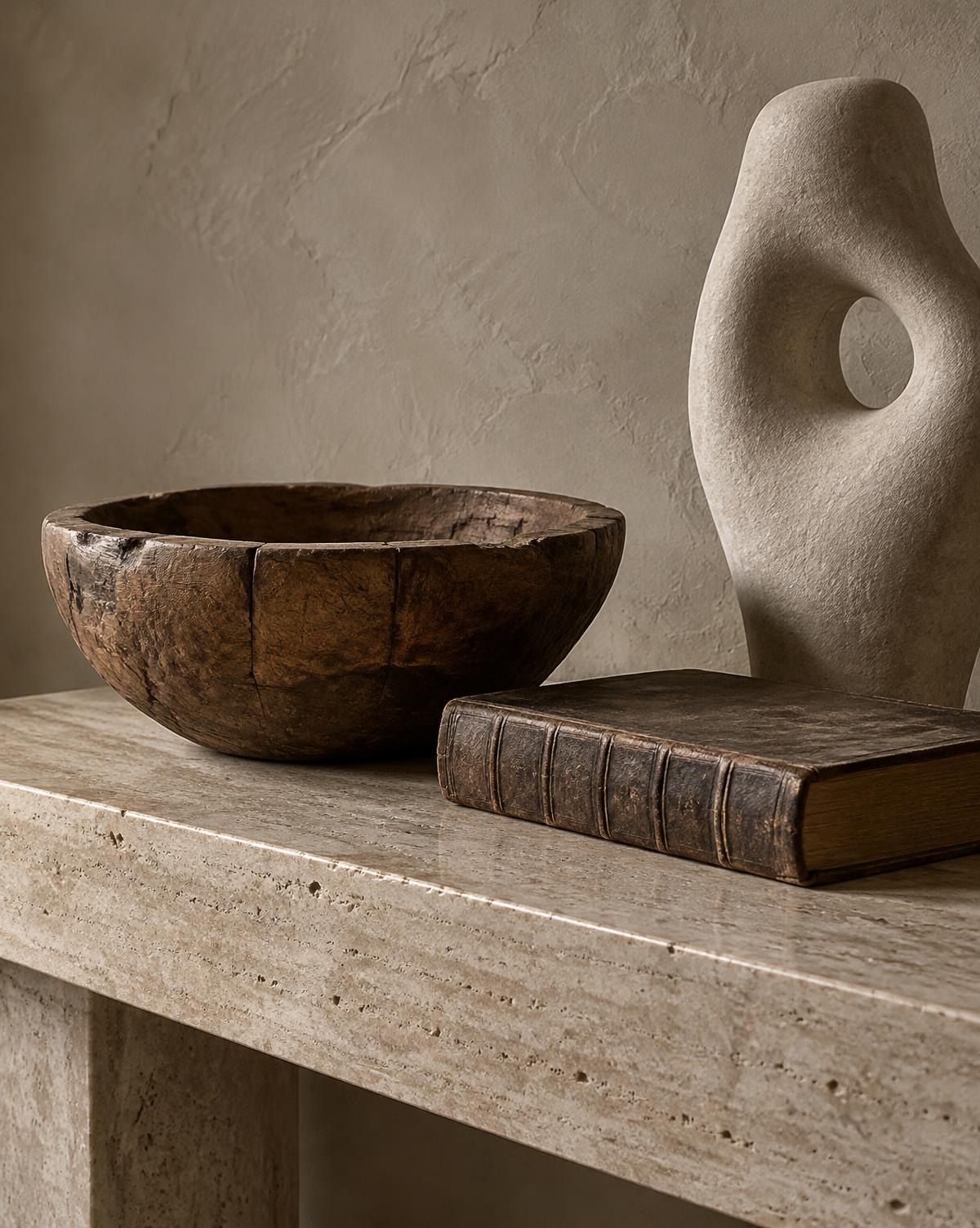
An antique ceramic vessel may sit comfortably within a minimalist shelving composition, while contemporary abstract artwork can provide an unexpected contrast to traditional furniture.
The effectiveness of these arrangements depends on placement, proportion and restraint.
Rather than filling every surface, a carefully curated selection allows objects to be appreciated individually.
A meaningful collection, inherited piece or personally selected artwork can give a home a distinctive character that cannot be recreated through a standard design formula.
The relationship between objects is equally important.
Shared materials, complementary tones or contrasting forms can create visual interest while maintaining harmony.
At Earendel, we believe decoration should feel integrated into the architecture, with each object contributing to the overall experience of the interior.
Modern Vintage Interiors and Timeless Design
One of the strengths of combining vintage and modern interior design is the opportunity to create environments that feel independent of temporary trends.
Historical furnishings introduce a sense of continuity, while contemporary architecture and functional planning support present-day living.
This combination can create spaces that feel both familiar and relevant.
A carefully restored vintage piece may remain part of a home for generations, while a restrained architectural foundation provides flexibility as personal preferences evolve.
The inclusion of existing or pre-owned furniture can also support more responsible material consumption, particularly when pieces are durable and suitable for continued use.
However, timelessness is not achieved simply by incorporating antique objects.
It emerges through the careful relationship between proportion, quality, materiality and individual expression.
The most enduring interiors are those in which the past and present feel naturally connected.
Mixing Vintage and Modern Design in Luxury Dubai Homes
Luxury residential interiors in Dubai often feature generous proportions, contemporary architecture and refined material palettes.
These characteristics provide opportunities to incorporate vintage and antique furnishings in a distinctive yet understated manner.
A contemporary villa may benefit from a carefully selected heritage cabinet, sculptural vintage seating or an antique decorative object that contrasts with its modern architectural setting.
In luxury apartments, individual vintage pieces can introduce character without requiring extensive decorative treatments.
The approach should remain sensitive to the architecture, scale and lifestyle of the occupants.
Rather than introducing historical influences throughout every room, selected pieces can create moments of individuality within a cohesive contemporary interior.
At Earendel Designs, we value the relationship between personal expression and architectural clarity, creating residential environments that feel collected, considered and enduring.
A Dialogue Between Past and Present
The relationship between vintage and modern interior design is ultimately an expression of individuality.
By combining heritage craftsmanship with contemporary forms, natural materials and thoughtful spatial planning, interiors can achieve a sense of depth that extends beyond a single design period.
The beauty of this approach lies in its balance.
Vintage pieces introduce history and character, while contemporary elements provide clarity, comfort and functional relevance.
At Earendel Designs, we believe exceptional interiors are shaped through the careful consideration of every element — respecting the character of individual pieces while allowing them to contribute to a harmonious architectural composition.
The result is a home that feels personal, refined and timeless, where past and present coexist naturally.
Discover Earendel Designs
Explore our approach to bespoke residential interior design in Dubai, where refined materiality, considered furnishings and individual expression come together to create spaces of lasting character.