

Minimalism in interior design is often associated with clean lines, open spaces and a restrained colour palette. Yet its true significance extends far beyond aesthetics.
At its essence, minimalism is an approach to design that values clarity, purpose and the thoughtful relationship between form and function. It is the art of creating spaces where every element has meaning, where architecture is allowed to speak and where simplicity becomes an expression of sophistication.
Rather than removing character, considered minimalism reveals it. Through carefully selected materials, balanced proportions and an appreciation for negative space, an interior can achieve remarkable depth without unnecessary ornamentation.
At Earendel Designs, we approach minimalism as a philosophy of intentional living. Our objective is to create interiors that feel effortless in their composition, refined in their details and deeply connected to the people who inhabit them.
Understanding Minimalism in Interior Design
Minimalist interior design is defined by the deliberate reduction of unnecessary elements, allowing the essential qualities of a space to take precedence.
Its foundations lie in simplicity, functionality and visual harmony.
Clean architectural lines, cohesive material palettes and thoughtfully arranged furnishings create environments that feel organised and naturally balanced.
However, minimalism should not be confused with emptiness.
A successful minimalist interior is not defined by how little it contains, but by how carefully its elements have been considered.
Every material, furnishing and architectural detail contributes to the wider composition. Rather than competing for attention, these elements establish a unified visual language.
The result is an interior that feels calm, purposeful and enduring.
The Beauty of Simplicity and Restraint
Restraint is one of the defining characteristics of sophisticated interior design.
By eliminating unnecessary visual distractions, minimalism creates space for architectural proportions, materials and craftsmanship to become the primary expressions of character.
A carefully proportioned doorway, a seamless stone surface or a beautifully crafted piece of furniture can hold greater visual significance when surrounded by simplicity.
This approach requires a precise understanding of balance.
Too few elements may leave a space feeling incomplete, while excessive detailing can compromise its sense of clarity.
The objective is to establish an environment where every design decision feels intentional.
At Earendel, we believe that the most refined interiors often communicate their quality through subtle details rather than overt statements.
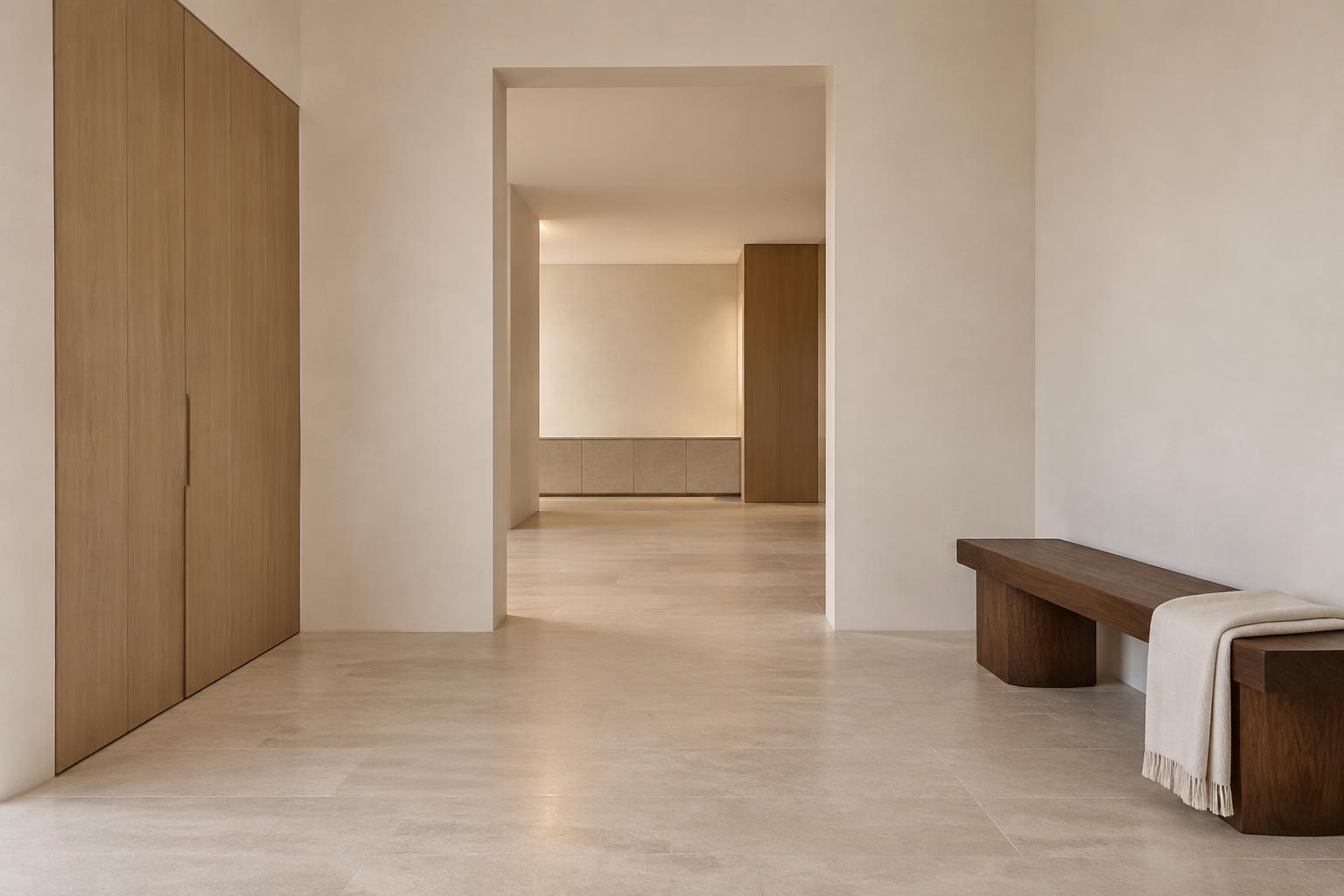
The Importance of Space and Proportion
Space itself is one of the most valuable elements in minimalist interior design.
Generous circulation, carefully considered furniture placement and a clear relationship between architectural volumes can establish an atmosphere of openness and tranquillity.
Negative space — the areas intentionally left unoccupied — plays an equally important role.
It allows individual elements to be appreciated without visual competition, creating a sense of rhythm and balance throughout the interior.
In luxury residential design, this principle can be particularly effective in living areas, entrance spaces and private suites, where spatial clarity contributes to a more refined experience.
Thoughtful space planning considers not only the dimensions of a room, but also how its occupants move, interact and experience their surroundings.
The result is an interior that feels naturally organised, with every area serving a clear purpose.
Natural Materials and the Warmth of Minimalism
One of the most common misconceptions about minimalism is that it produces interiors that feel cold or impersonal.
In reality, carefully selected materials can introduce warmth, depth and a distinctive sense of character while preserving a restrained aesthetic.
Natural timber, limestone, travertine, linen and subtly textured plaster bring tactile richness to minimalist environments.
Their inherent variation creates visual interest without requiring elaborate patterns or decorative treatments.
A warm oak finish may soften the architectural precision of a space, while honed natural stone introduces a sense of permanence and quiet sophistication.
Soft upholstery and woven textiles provide additional comfort, establishing a balance between architectural structure and residential warmth.
At Earendel, materiality is central to our design approach. We consider how each surface interacts with light, complements adjacent finishes and contributes to the overall atmosphere.
Through this relationship, minimalism becomes both visually refined and deeply inviting.
A Considered Approach to Colour
Colour plays an essential role in establishing the visual continuity of a minimalist interior.
Neutral palettes are frequently associated with this design philosophy, offering a versatile foundation that allows architectural details and natural materials to take precedence.
Shades of ivory, warm white, sand, taupe and soft grey can create an atmosphere of subtle elegance.
However, minimalist design is not limited to pale or monochromatic environments.
Deeper tones, including charcoal, walnut brown and muted earthy colours, can introduce contrast and definition when used with restraint.
The key lies in cohesion.
Rather than introducing numerous competing colours, a carefully developed palette establishes relationships between walls, flooring, joinery and furnishings.
Subtle tonal variations create depth while maintaining the visual harmony that characterises a refined minimalist interior.
Functionality as a Foundation of Design
Minimalism places equal importance on the practical experience of a space and its visual composition.
A beautifully designed interior should support the routines, requirements and preferences of those who inhabit it.
Integrated storage, carefully planned circulation and appropriately scaled furnishings can reduce visual clutter while improving everyday functionality.
Bespoke joinery is particularly valuable in this context, allowing storage and practical elements to become part of the architecture rather than separate additions.
Concealed cabinetry, integrated appliances and discreet lighting systems can contribute to an uninterrupted visual language.
Yet functionality should never come at the expense of comfort.
The most successful minimalist interiors balance precision with ease, creating environments that are intuitive to use and comfortable to occupy.
At Earendel, we believe that purposeful design should simplify everyday living while enriching the experience of the space.
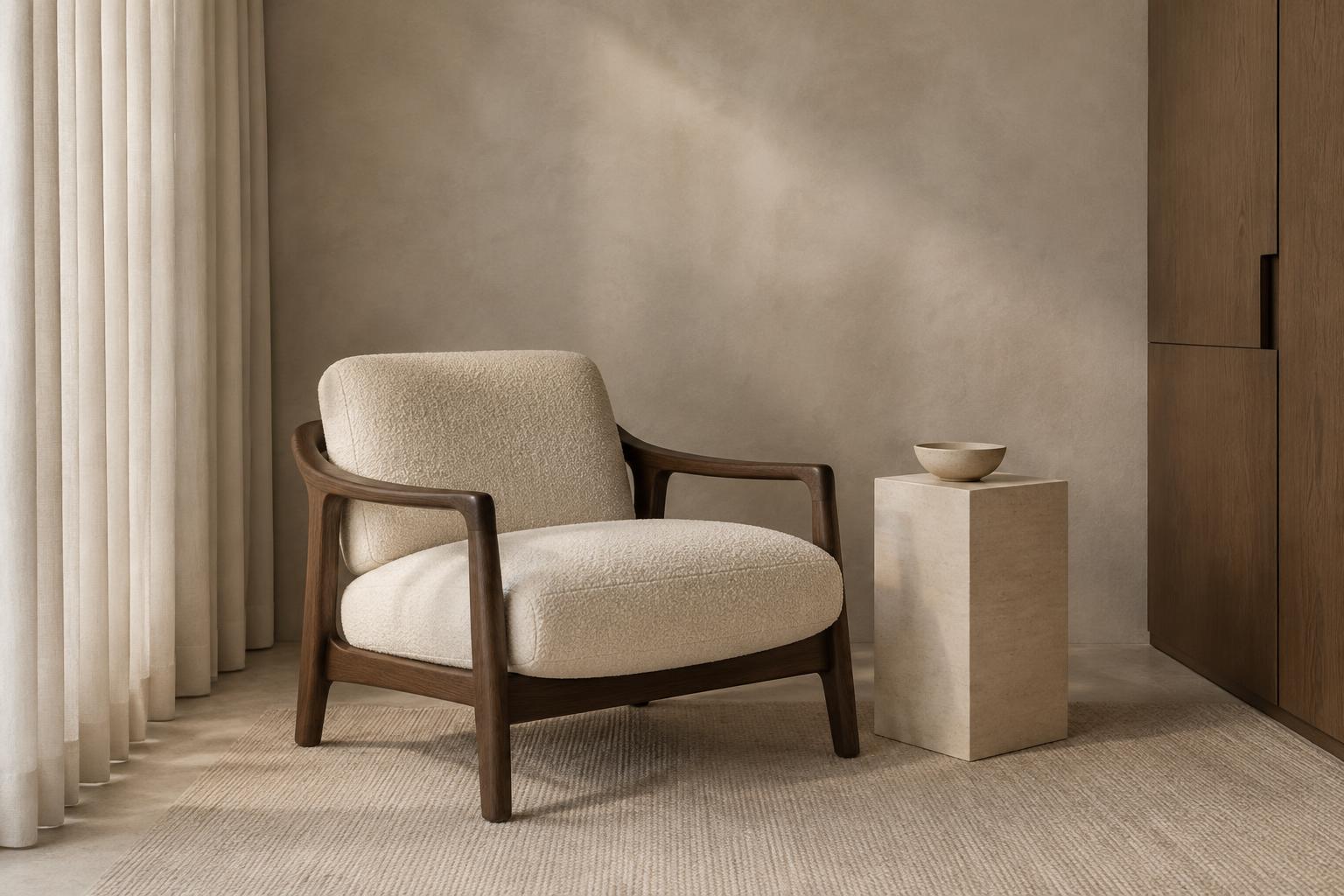
Light as an Architectural Element
Light has a profound influence on the perception of minimalist interiors.
In spaces where ornamentation is limited, natural illumination can become one of the most expressive architectural elements.
As daylight moves across walls, floors and furnishings, it reveals subtle variations in texture, colour and materiality.
A softly illuminated limestone wall or the gentle shadow cast by a sculptural furnishing can introduce depth without additional decoration.
Artificial lighting should be approached with the same degree of consideration.
Integrated architectural lighting, concealed fixtures and carefully positioned accent illumination can establish a layered atmosphere while maintaining visual simplicity.
In Dubai's contemporary residential architecture, expansive glazing and abundant natural light offer opportunities to create minimalist interiors that feel open and connected to their surroundings.
By considering lighting as part of the architectural composition, the space becomes more expressive throughout the day.
Minimalism and the Meaning of Luxury
The relationship between minimalism and luxury is rooted in the value of quality over quantity.
In a restrained interior, every element becomes more visible. Materials, proportions, finishes and craftsmanship must therefore be considered with particular attention.
A single sculptural armchair, an expertly detailed stone surface or a bespoke timber installation can define the character of an entire room.
Luxury is expressed through the integrity of these elements rather than their abundance.
This philosophy encourages investment in lasting materials, considered design and furnishings selected for their quality and relevance.
For Earendel, understated luxury is not defined by excess. It is found in architectural clarity, thoughtful detailing and the confidence to allow simplicity to speak for itself.
Creating Timeless Minimalist Interiors
One of the greatest strengths of minimalist interior design is its potential for longevity.
By focusing on balanced proportions, cohesive materials and purposeful furnishings, minimalist spaces can remain relevant as styles and preferences evolve.
A timeless interior should provide a foundation that accommodates personal expression without requiring constant reinvention.
Artwork, carefully selected objects and meaningful furnishings can introduce individuality while preserving the overall sense of harmony.
The objective is not to create spaces devoid of personality, but to establish an environment where personal elements can be appreciated more fully.
At Earendel, we approach each project with the understanding that a home should reflect its occupants while maintaining a coherent architectural identity.
Through thoughtful planning and considered detailing, we seek to create interiors that endure both aesthetically and functionally.
A Refined Expression of Simplicity
Minimalism in interior design is ultimately an exercise in intention.
It is the careful balance of space, material, light and proportion — creating environments where every element serves a purpose and contributes to a greater sense of harmony.
When approached thoughtfully, minimalism offers more than visual simplicity. It creates interiors that feel composed, inviting and naturally connected to everyday living.
At Earendel Designs, we believe that exceptional spaces are defined not by the number of elements they contain, but by the quality and consideration behind each decision.
Our approach combines architectural clarity, refined materials and an appreciation for craftsmanship to create minimalist interiors of lasting beauty.
Discover Earendel Designs
Explore our approach to luxury interior design in Dubai, where thoughtful simplicity, timeless materials and architectural precision come together to create spaces of enduring sophistication.